Garage door warning signs Denver homeowners should know
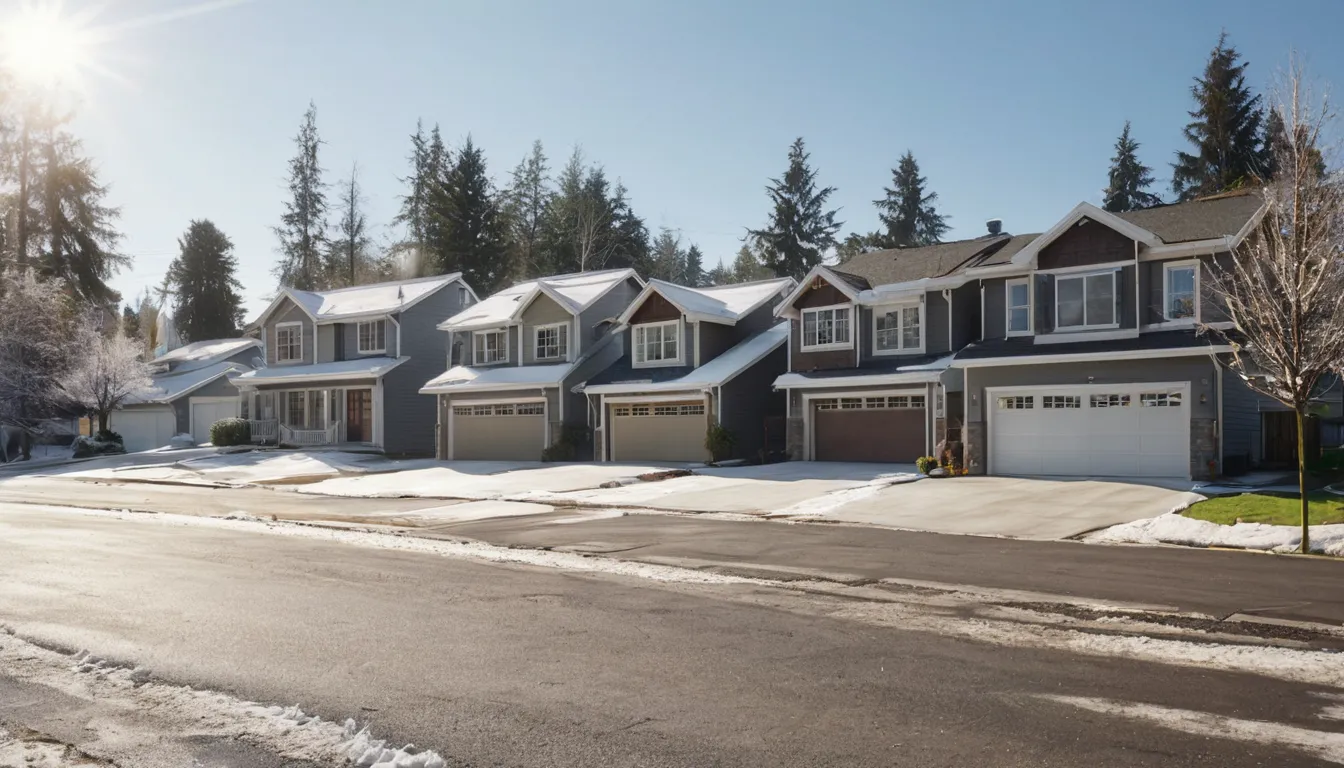
A garage door is often the largest moving part of a house. It lifts a heavy load many times a week, and small faults tend to grow quietly. This guide covers what to look and listen for in a typical the Denver area home, so you can ask for a visit before a nuisance becomes a stuck door.
Start with what you hear
Doors usually get noisy before they fail. Pay attention to changes, not just volume.
- Grinding or scraping often points to worn rollers or a dry, dirty track.
- A loud pop or bang can mean a spring has let go.
- Rattling may come from hardware that has loosened with months of vibration.
- A motor that hums but does not lift suggests a spring, cable or opener gear problem.
Note whether the sound happens on the way up, on the way down, or both. That detail helps a provider narrow things down.
What you can see
Stand inside with the door closed and look it over. Do not touch the springs, the cables or the brackets at the bottom corners. Those parts hold a lot of tension.
- Light showing along the sides or the bottom edge
- A door that hangs crooked or sits lower on one side
- Frayed strands on a cable
- A visible gap in a spring coil
- Tracks that look bent or have pulled away from the wall
- Dents in steel panels, or cracks and peeling finish on wood
Signs that follow the seasons
Mountain weather works on a door in several ways. Dry air and strong sun at altitude dry out lubricant and fade or crack finishes, especially on wood. Heavy snow can pile against the bottom seal and freeze it to the slab, which strains the opener when it tries to lift. A fast spring melt leaves water and grit in the tracks. Hail can dent panels or crack windows.
Temperature swings also matter. A door that ran quietly in early fall may sound different after the first hard freeze. In newer frame homes, small shifts in the framing can nudge a track out of line, so a door that once ran smoothly may begin to rub.
Two simple safety checks
Twice a year, test the safety features that stop a door from closing on a person or a car.
- Auto-reverse: Lay a board or a roll of paper towels flat under the door and close it. The door should stop and reverse when it touches the object. If it does not, stop using the automatic close.
- Sensors: Wave an object across the beam near the floor while the door is closing. The door should reverse. Blinking or dim sensor lights often mean the beams are out of line, sometimes from a knock or from low sun glare.
When to stop and request a visit
Do not keep forcing a door that is acting up. Stop using it and keep people and vehicles clear if you see any of these:
- The door will not open fully, or drops when released
- A spring or cable is broken
- The door has come off its track
- The door keeps reversing for no clear reason
This matters most when a bedroom, living space or basement stairwell sits next to the garage. A falling door is a real injury risk.
Keep it from coming back
Most repairs last longer when the door gets light, regular care afterward. Put a reminder on the calendar for spring and fall.
- Wipe grit from the tracks and rollers after the melt.
- Check the bottom seal before the first heavy snow.
- Look at hardware bolts and tighten any that are loose, leaving springs and cable brackets alone.
- Use lubricant meant for garage doors on moving parts, not on the track surface itself.
- Refresh the finish on wood doors where sun has dried it out.
After any repair, ask the provider what to watch for on your particular door. A short list of things to check is worth more than a general rule.
More homeowner guides
Garage door warning signs Denver homeowners should know: questions
Is a noisy garage door always a sign of failure?
Not always. Dry rollers or loose bolts can make a door loud while it still works fine. What matters is a change in the sound, or a noise paired with shaking, uneven movement or slow lifting. A new bang, grind or squeal is worth having someone look at before it turns into a breakdown.
Can I fix a sagging garage door myself?
A sag usually points to springs, cables or track trouble, and those parts carry dangerous tension. Wiping tracks and tightening loose hardware is reasonable homeowner care. Anything involving springs, cables or the bottom brackets is better left to a trained provider who has the right tools.
Why does my door act up more in winter?
Cold thickens lubricant, stiffens seals and can freeze the door to the slab, so the opener works harder. Metal parts also contract, which can shift how the door balances. If winter makes the door struggle, a seasonal check of the seal, tracks and springs often helps.
Request a callback
Tell us what your garage door is doing. Send a request through the form or email contact@westdance.homes, and we will point you to a local provider in our network.
No obligation